
LSC Education: recruiting outstanding leaders in education

Established in 1912, Seoul Foreign School (SFS) currently serves over 1,450 children from PK-2 to 12th grade, drawn from over 50 different countries, and exists to serve the international community of Seoul. SFS is a Christian school but enrolls students from all religious backgrounds and welcomes them as integral members of its diverse community. The school’s Christian ethos is defined through its Christ-like attitudes that guide the way of its faculty members and students. The school has a long-standing reputation as one of the leading international schools in Asia.
Established as part of Seoul Foreign School in 1981, Seoul Foreign British School (SFBS) is the oldest British curriculum school in Seoul and has over 225 students, aged 3-14 years old, from more than 25 nationalities. SFBS offers the English National Curriculum through the frameworks of the IEYC (International Early Years Curriculum), IPC (International Primary Curriculum) and IMYC (International Middle Years Curriculum) because they believe it gives them the learning rigour to inspire excellence and the international, society and personal perspectives to build character in all aspects of school life. Alongside these frameworks, the school delivers learning in Maths and Literacy based on the English National Curriculum directly. These curriculums and the teaching philosophy behind them are what makes SFBS ‘British’. Following SFBS, students progress into Seoul Foreign High School, where they begin the IB MYP curriculum, leading on to the IB Diploma Programme. Seoul Foreign School is fully accredited by the Western Association of Schools and Colleges (WASC) and is a member of the Council of International Schools (CIS). As a world IB (International Baccalaureate) school, it offers the Primary Years Programme (PYP), Middle Years Programme (MYP) and Diploma Programme (DP).
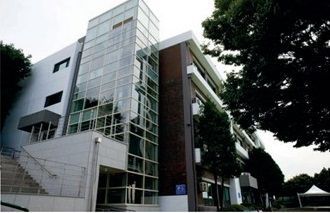
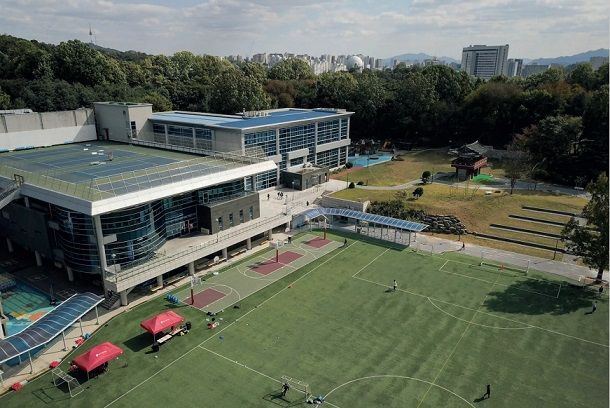
Situated on 25 acres in a park-like environment within the city of Seoul, SFS is a not-for-profit school, with an annual operating budget in excess of US $50 million. All overseas faculty and administration are housed on campus or in apartments close to campus. Administrative and faculty turnover is normally low,with faculty staying five or more years on average. A wealth of information on Seoul Foreign School, including video clips of the school and community, can be found on its website at www.seoulforeign.org.
The Head of School and the British School Principal are currently seeking to appoint an effective, inspirational and dynamic Assistant Principal for Seoul Foreign British School to commence in August 2021. The British School Assistant Principal is a core member of the British School administrative team and supports students, teachers, parents and the Principal with the day-to-day running of the British School.
Seoul Foreign British School believes that an atmosphere built on a shared vision of the core values they develop with learners and a clear focus on learning, is supportive of an effective learning environment and a connected community. Seoul Foreign British School staff members, parents and members of the community, craft circumstances for great learning for their students, supporting students' lives as interculturally competent citizens.


Living In Seoul
Seoul is one of East Asia’s biggest and most exciting cities; it is ranked as the 4th largest city in the world. Bustling and vibrant, it is characterised by a mixture of the old and the new. Its towering skyscrapers and multi-lane highways surround historic palaces and temples, and huge modern shopping complexes compete for trade with street hawkers selling traditional snacks from the back of push-carts.
At night the city comes alive, bursting with late night shoppers looking for bargains at the many night-markets, post-work diners fill karaoke bars and restaurants, and the city is illuminated by a sea of neon and gigantic TV screens. Seoul’s population is almost 10.5 million accounting for 21 per cent of the country’s total population (the figures rise to 22 million, or 46% of the total population, if you include greater Seoul).
Eight mountain peaks surround Seoul and just north of the city is Bukhansan National Park, a forested mountain park of granite peaks and cliffs with numerous Buddhist temples and fantastic views. There are a number of scenic hiking and walking trails both in and outside of Seoul. The city centre itself is dominated by the mountain of Namsan, which provides natural relief from the cars and concrete of the city, with its parks, walking trails and indoor botanical garden. Its peak tower is also a useful navigation tool. The Han River bisects the city separating the older downtown city to the north from the trendier newer southern districts. In the warmer months its banks host a number of recreational activities including a cycling and running track, in-line skating facilities, archery, kite-flying, fishing, water-skiing and even a sailing club. In the winter months, excellent ski resorts can be found only 1-3 hours drive from Seoul.
The city has an excellent public transport network including the clean, cheap and reliable subway. Taxis are plentiful and very cheap. A good way to see the country is by taking the “KTX“, Korea’s high-speed train network that runs regular routes from Seoul to Busan and other cities. The journey from Seoul to the port town of Busan on the South East Coast takes under 3hrs. Jeju Island is another great place to visit, nicknamed 'the Hawaii of Korea' and is only an hour's flight from Seoul.
© 2026 LSC Education Ltd.